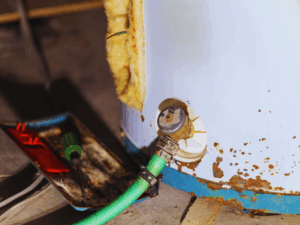
 A water heater runs in the background of your life. You forget about it until something changes—slower hot water, strange sounds, or a small shake in the pipes. Sediment builds at the bottom of the tank, and the heater works harder than it should. Flushing the tank clears the sediment, restores heating speed, and reduces stress on the unit.
To flush a water heater, you drain the tank, remove sediment, and refill it to restore proper heating performance.
This guide explains the steps, the tools you need, the safety checks to make before you start, and the signs that tell you it is time to flush the heater. It also explains when to call a professional if something feels off.
Quick Takeaways
- Flushing removes sediment that collects at the bottom of the tank.
- Sediment causes noise, slower heating, poor efficiency, and early tank failure.
- Both gas and electric models need annual flushing.
- You must turn off power or gas before draining the tank.
- Flushing takes most homeowners 20–45 minutes.
- Call a plumber if the tank will not drain or if the water remains cloudy.
Tools and Materials Needed
- Garden hose
- Bucket
- Flathead screwdriver
- Towel or small pump
- Gloves
- Access to a floor drain or outdoor space
- Optional: descaling solution or vinegar
Safety Steps Before You Start
Turn Off Power to the Water Heater
Use the breaker panel for electric heaters. Set the gas valve to “pilot” or “off” for gas heaters. This prevents the heater from firing while the tank is empty.
Shut Off the Cold Water Supply Valve
This stops new water from entering the tank while you drain it.
Check the Pressure Relief Valve
Lift the lever for a moment. This releases pressure in the tank and helps the water drain smoothly.
How to Flush a Water Heater (Step-by-Step)
These steps follow a direct path. Each step prepares you for the next.
Step 1: Turn Off Power or Gas Supply
Confirm the heater cannot turn on during the flush.
Step 2: Shut Off the Cold Water Inlet Valve
Close the valve above the heater to stop incoming water.
Step 3: Attach a Garden Hose to the Drain Valve
Thread the hose to the drain valve at the bottom of the tank. Tighten it by hand. Aim the hose toward a safe drain point.
Step 4: Position Hose to a Safe Drain Point
Place the hose so water flows to a floor drain or outside. Hot water can cause burns, so do not point the hose at feet or plants.
Step 5: Open the Drain Valve and Let the Tank Empty
Use a flathead screwdriver if needed. Water flows through the hose. The tank drains until empty.
Step 6: Open a Hot Water Faucet to Improve Drain Flow
Open a hot water tap in the house. This breaks the vacuum inside the tank and helps water leave faster.
Step 7: Flush the Tank by Opening the Cold Water Supply
Turn the cold water valve on for a moment while the drain is open. This sends fresh water into the tank and pushes sediment out through the hose.
Step 8: Repeat Flushing Until Water Runs Clear
Continue short bursts of cold water until the water draining from the hose becomes clean.
Step 9: Close the Drain Valve and Refill the Tank
Close the drain valve. Remove the hose. Turn the cold water valve back on to fill the tank.
Step 10: Restore Power or Relight the Gas Heater
Once the tank is full, turn the breaker back on for electric units. For gas units, relight the pilot as directed on the label.
How Long Does It Take to Flush a Water Heater?
The time depends on sediment buildup.
- 5–10 minutes to drain
- 5–20 minutes to flush until water runs clear
- 15–30 minutes for the heater to warm the water again
A home with hard water may see longer drain times due to thick sediment.
How Often You Should Flush a Water Heater
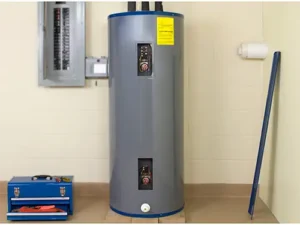 Annual Flushing (Recommended)
Most households benefit from one flush each year.
Twice Per Year If You Have Hard Water
Hard water creates more sediment, so the tank needs more care.
Signs You Should Flush Sooner
- Rumbling or popping noises
- Slower recovery time
- Cloudy or gritty water
- The heater shuts off
- Sediment visible in faucet aerators
These signs point to thick sediment at the bottom of the tank.
Benefits of Flushing Your Water Heater
Better Efficiency and Faster Hot Water Recovery
Clearing sediment helps the burner or heating elements work without extra resistance.
Lower Energy Bills
The heater uses less energy when it heats clean water rather than heating through sediment.
Reduced Sediment Damage to the Tank
Sediment holds heat and stresses the metal walls, which shortens the heater’s lifespan.
Longer Water Heater Lifespan
Regular flushing keeps corrosion away from the bottom of the tank.
Fewer Repairs Over Time
With less stress on parts, the heater runs with fewer shutdowns and fewer service calls.
Common Problems You May Encounter While Flushing
The Drain Valve Won’t Open
Sediment may block the valve. Try opening it slowly. If nothing comes out, a plumber may need to clear the blockage.
Little or No Water Comes Out
A vacuum may form. Open a hot water faucet inside the home to break the air lock.
The Water Is Still Cloudy After Flushing
You may need to flush again. Thick sediment takes time to clear.
Sediment Clogs the Hose
Lift the hose for a moment to break the clog. Point it back to the drain.
Water Leaks After Closing the Valve
The drain valve may have worn threads or a loose seal. A plumber can replace the valve if needed to stop leaks.
When to Call a Professional Plumber
Call for help if:
- The drain valve is blocked
- Water stays rusty
- The heater is older than ten years
- Sediment hardens at the bottom
- You cannot relight a gas heater
- The water does not run clear
A plumber can diagnose the condition of the tank and advise on next steps.
FAQ: How to Flush a Water Heater
 Can I flush a water heater myself?
Yes. Most homeowners can flush a heater if they follow each step and keep safety in mind.
How long does a water heater flush take?
Most flushes take 20–45 minutes.
Do tankless water heaters need flushing?
Yes. Tankless units need descaling to remove mineral buildup.
What happens if I never flush my water heater?
Sediment slows heating, reduces efficiency, and increases stress on the tank.
Why is my water still dirty after flushing?
Sediment or corrosion may remain in the tank. You may need a deeper cleaning or a replacement if the tank is worn.
Call Buddy’s Plumbing Excellence for Water Heater Flushing and Maintenance
Akron homeowners deserve a water heater that runs clean and steady. Buddy’s Plumbing Excellence provides fast and professional flushing services that keep your system at its best. You’ve got a Buddy in plumbing.