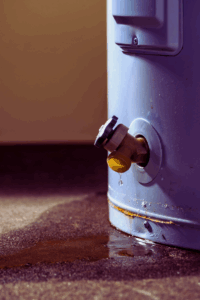
 A water heater leak looks small at first. You see a few drops near the cold water inlet or a slow drip at the drain valve. You wipe it up and move on.
Most people ignore a leak because it feels harmless. But a leaking water heater signals a safety hazard that grows under the surface until something forces your attention.
Yes, a leaking water heater can be dangerous. It raises the risk of water damage, mold growth, and electrical hazards. In rare cases, it can even cause the tank to burst.
This article explains why leaks matter, how they form, how to pinpoint the source, and what steps you should take as soon as you notice a leak. It also covers repair and replacement choices, prevention tips, and answers to common questions homeowners ask when their water heater is leaking.
Quick Takeaways
- A leaking water heater is dangerous, not just inconvenient.
- Small leaks often point to internal tank corrosion or pressure problems.
- Leaks can lead to major water damage, mold, and costly repairs.
- Gas and electric heaters both carry unique safety risks when they leak.
- Shut off power or gas and shut off the water supply as soon as you notice a leak.
- Professional diagnosis is the safest next step.
What Makes a Leaking Water Heater Dangerous?
A leak changes how the heater behaves. It also changes the environment around it. The danger does not come from the drip itself. It comes from everything the drip affects.
Hidden Water Damage and Mold Growth
A leak spreads into the floor, walls, framing, and carpet. The water damage grows slowly but steadily. You step on a soft spot weeks later and realize the water traveled farther than you expected.
Mold spores form in the dark and damp spaces. They grow behind drywall before you see them. A small leak feeds all of this as long as the water supply stays open.
Tank Corrosion and Sudden Tank Failure
The anode rod protects the tank for years, but it cannot protect it forever. When corrosion eats through the steel lining, the tank weakens.
You may see rust in the hot water. You may hear popping sounds from sediment buildup. Once the tank wall thins enough, it can fail without warning.
This is not a slow leak. It is the whole tank emptying itself onto the floor in seconds.
Electrical Hazards Around Standing Water
If you have an electric water heater, water near heating elements or wires is dangerous. Water conducts current. A wet floor near an outlet or extension cord creates a shock risk.
These hazards form quietly. You only see the water. You do not see where the water travels under the heater or behind objects near it.
Gas Water Heater Safety Risks
A gas water heater introduces a different kind of risk. Water near the burner or ignition system affects combustion. A leak may reach the gas control valve.
In rare situations, water may weaken parts that handle gas flow. A gas leak near an open flame is a risk you do not ignore for even a moment.
Scalding or Temperature Instability
Leaks interfere with sensors. The thermostat may read wrong temperatures when water reaches the wrong places.
Hot water becomes hotter than expected. You turn the tap and get a sharp heat you did not expect. The problem forms inside the heater before you notice it at the faucet.
Increased Pressure and T&P Valve Problems
The temperature and pressure valve protects the tank from excess pressure. If the valve leaks, sticks, or fails, the tank holds more pressure than it should. Too much pressure and heat inside a water heater can make it explode.
This is rare, but you stay as far away from that risk as possible. A leaking T&P valve is a warning sign you do not wait on.
Common Causes of a Leaking Water Heater
 Each cause points to a different repair or replacement path. Some are simple. Some mean the heater has reached the end of its life.
Corroded Tank
This is the most common cause of leaks from the bottom. Once the tank corrodes through the metal wall, the heater cannot be repaired. Replacement is the only option.
Faulty Temperature & Pressure Relief Valve
The pressure relief valve may leak if it opens to release excess pressure. It may leak if the valve is broken. Both conditions deserve attention.
Loose or Damaged Water Connections
The cold water inlet and hot water outlet fittings can loosen with time. A simple tightening fixes many top leaks. Leaving them loose increases damage over time.
Drain Valve Leaking
The drain valve may drip if debris blocks the opening. It may leak if the valve wears out. Some drain valves need replacement. Others only need a simple cleaning.
Excessive Internal Pressure
High water pressure pushes against tank walls and stresses fittings. It also forces the pressure relief valve to release water. A pressure-reducing valve may be needed in the home.
Sediment Buildup
Minerals settle at the bottom of the tank. The sediment traps heat, which increases stress. Sediment also accelerates corrosion near the bottom of the tank.
Old or End-of-Life Water Heater
Most heaters last 8–12 years. Leaks in older heaters form as parts wear out. Age alone may signal the heater is done.
How to Tell Where the Water Heater Leak Is Coming From
The location of the leak helps you understand the problem.
Leaks From the Top of the Water Heater
Leaks near the top often come from loose pipe fittings, valve issues, or condensation. Check the hot water outlet and cold water inlet for moisture. These leaks are often fixable.
Leaks From the Bottom of the Water Heater
Leaks at the bottom usually come from tank failure, a drain valve drip, or condensation. Rust-colored water is a strong sign that the tank is corroded inside.
Leaks Around the Drain Valve or T&P Valve
If the temperature and pressure valve leaks, the tank may hold excess pressure. If the drain valve leaks, you may have a worn valve or sediment lodged in the opening.
What You Should Do Immediately if Your Water Heater Is Leaking
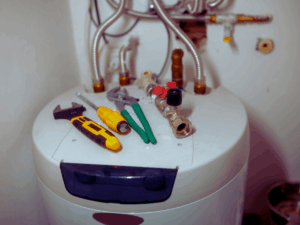 These steps protect your home from further damage and reduce safety risk.
Turn Off Power (Electric) or Gas Supply
Turn off the power supply at the breaker for an electric heater. For a gas water heater, turn the gas control valve to the off position.
Shut Off the Cold Water Supply Valve
This stops water from entering the tank. The leak slows once the supply closes.
Avoid Standing Water Near Electrical Sources
Standing water near outlets creates shock hazards. Stay clear of these areas until a plumber arrives.
Take Photos for Insurance
Document any water damage, leaks from the bottom, and wet areas around the heater.
Call a Licensed Plumber for Diagnosis
Emergency water heater repair requires proper training. A professional plumber can diagnose the leak, repair valves, or recommend replacement.
When to Repair and When to Replace a Leaking Water Heater
Some leaks allow repairs. Others do not.
Repairs Are Possible When
- Loose fittings
- Faulty drain valve
- T&P valve replacement
- Replaceable components
Replacement Is Recommended When
- Tank is corroded
- Heater is older than 8–12 years
- Multiple leaks appear
- Bottom-of-tank leaks form
How to Prevent Future Water Heater Leaks
Prevention reduces both cost and stress.
Annual Plumbing Inspection
A plumber checks valves, fittings, and pressure once per year.
Routine Tank Flushing
Flushing removes sediment and lowers stress on the tank.
Checking T&P Valve Operation
A working pressure relief valve protects the tank from excess pressure.
Installing a Drain Pan or Leak Detector
A drain pan or leak detector reduces water damage if a new leak forms.
FAQ: Is a Leaking Water Heater Dangerous?
 Is it safe to use a water heater if it’s leaking?
No. Using a leaking heater is unsafe due to corrosion, electrical exposure, or pressure issues.
Can a leaking water heater explode?
It is rare, but excess pressure can cause explosion if the relief valve fails.
Should I turn off my water heater if it’s leaking?
Yes. Turn off power or gas and close the cold water supply.
What is the most dangerous type of water heater leak?
A bottom leak signals tank failure. It cannot be repaired.
Will insurance cover water heater leaks?
Some policies cover sudden leaks. They may exclude damage from poor maintenance.
Call Buddy’s Plumbing Excellence for Fast Water Heater Leak Repair
Akron homeowners need fast help when a water heater is leaking. Buddy’s Plumbing Excellence responds at the speed of NOW to diagnose leaks, stop water damage, and protect your home. We proudly serve Akron, Ohio and surrounding areas.