If your sump pump has been running for years, you might wonder how long it can keep going before it quits during the next big storm.
That’s a fair question — especially if you live in Akron, where heavy rain and older basements push pumps harder than most places. Constant groundwater pressure and seasonal downpours make sump pumps work overtime.
This article explains how long a sump pump lasts, what affects its lifespan, how to spot early failure, and when to replace your sump pump before it causes water damage.
Quick Takeaways
- The average sump pump lasts 7–10 years with proper maintenance.
- Frequent cycling, noise, or rust mean it’s nearing the end.
- Regular testing and cleaning extend lifespan.
- Basement moisture and power surges wear pumps out faster.
- Replace before failure to avoid flooding during storms.
Average Lifespan of a Sump Pump
Most sump pumps last between seven and ten years, depending on how much they run and how well they’re maintained.
Pedestal sump pumps often last longer — sometimes up to 15 years — because their motors stay dry above the pit. Submersible pumps are placed in the basin and handle water directly. This makes them more powerful but also more likely to wear out over time.
In Akron, frequent rainfall and high groundwater levels mean sump pumps cycle more often. That extra workload can cut a few years off their life. Even a high quality pump can burn out early if it runs constantly during the rainy season.
What Affects How Long a Sump Pump Lasts
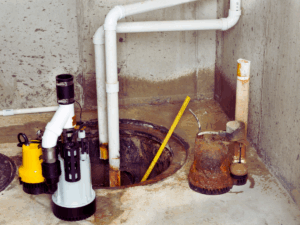 Several factors determine how long your sump pump lasts before it needs replacement.
Usage frequency: The more your pump runs, the faster it wears down. A sump pump that runs every few days during wet months will age faster than one that only kicks on occasionally.
Water table levels: Homes in areas with higher groundwater, like much of Akron, put more strain on pumps. When the pit fills quickly, the pump cycles more often and runs hotter.
Pump type and quality: A high quality cast iron sump pump handles heat and friction better than one with a plastic housing. Investing in a better unit upfront often saves money later.
Installation quality: A poorly sized pit or misaligned discharge line forces the pump to work harder than necessary. That can cause premature burnout.
Power supply issues: Surges and outages damage motors over time. Without a surge protector or backup power, your pump could fail after one strong lightning storm.
Signs Your Sump Pump Is Nearing the End
Most homeowners don’t notice problems until the basement starts to smell damp or water backs up during a storm. Catching early signs helps you act before it fails.
- Loud humming, rattling, or grinding noises while the pump runs.
- Constant cycling or running even when the pit is dry.
- Rust, corrosion, or visible wear on the housing.
- Weak water flow or slow removal during storms.
- Strong odors or the motor overheating after short use.
These symptoms usually mean the internal components are worn or the motor is struggling. A quick inspection can confirm whether you need repair or replacement.
How to Extend the Life of Your Sump Pump
You can extend your sump pump’s lifespan with consistent care and a few preventive steps.
- Clean the pit every few months to remove dirt and debris that block the impeller.
- Test your pump quarterly by pouring water into the pit and watching how it responds.
- Use a surge protector to prevent damage during lightning storms or power spikes.
- Add a battery backup system to keep the pump running during outages.
- Schedule annual professional inspections before spring rains to catch wear early.
These habits reduce strain and keep your pump ready when it’s needed most.
When to Replace Your Sump Pump
 You should replace your sump pump every 7–10 years, or sooner if you notice performance issues. Small repairs can help it run a bit longer. However, replacing it often costs less than fixing water damage after a failure.
At Buddy’s Plumbing Excellence, our replacement process is simple:
- Inspection – We check your system, pit size, and discharge line.
- Estimate – We explain your options and costs clearly.
- Same-day installation – We install a new, high quality pump that matches your home’s needs.
Replacing before failure gives you peace of mind and prevents basement flooding during the next heavy rain.
The Cost of Waiting Too Long
Waiting until your sump pump quits can cost you far more than replacing it early. When a pump fails during a storm, water can rise fast — soaking flooring, walls, and electrical systems. Cleanup often includes water extraction, mold removal, and foundation drying, which can easily reach thousands of dollars.
After Akron’s flash floods, many homeowners learned this lesson the hard way. A simple replacement would have saved them days of cleanup and costly repairs. Don’t take that risk.
FAQs
How often should I replace my sump pump?
Every seven to ten years, depending on use and condition. Heavy rainfall and frequent cycles shorten lifespan.
What happens if I don’t replace my sump pump?
You risk sudden failure during a storm, which can lead to flooding, mold, and foundation damage.
Does my sump pump need maintenance?
Yes. Regular cleaning, quarterly testing, and part inspections help it last longer and prevent unexpected breakdowns.
Are all sump pumps the same?
No. Submersible pumps remove water faster, while pedestal pumps last longer. The best choice depends on your basement’s layout and water volume.
Can I install a new sump pump myself?
DIY installs often miss details like discharge slope or pit depth. Professional installation ensures the system runs efficiently and avoids future problems.
Keep Your Basement Dry with Buddy’s Plumbing Excellence
 A sump pump typically lasts 7–10 years, but local conditions in Akron can shorten that lifespan. If your pump runs constantly, makes noise, or looks worn, it’s time to inspect or replace it. Don’t wait for the next heavy rain to find out it failed.
Buddy’s Plumbing Excellence offers fast, reliable sump pump repair and installation services across Akron and nearby areas. Our team handles every job with care, from testing to replacement, so you can rest easy knowing your basement stays dry year-round.