The average lifespan of a well pump is 10 to 15 years. Some last longer. Some fail sooner. The difference comes down to conditions, not luck.
This guide explains how long a well pump lasts, what affects its lifespan, the warning signs to watch for, and when to take action.
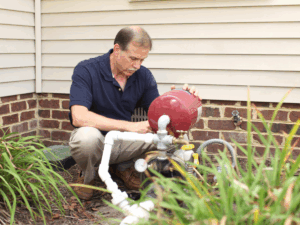 Quick Takeaways
- Most well pumps last 10 to 15 years
- Water quality and usage affect pump lifespan
- Submersible well pumps often last longer than jet pumps
- Warning signs usually appear before total failure
- Early service prevents sudden water loss
The Average Lifespan of a Well Pump
Most homeowners can expect a well pump to last between 10 and 15 years. That range reflects normal use, average water quality, and proper installation. It does not guarantee performance.
The lifespan of a well pump depends on stress. Some pumps fail in under ten years due to dirty water, heavy use, or sizing issues. Others run past 15 years with stable conditions and regular checks. Age alone does not decide failure, but it raises risk.
What Affects How Long a Well Pump Lasts?
Several factors work together. Each one changes how often the pump runs, how hard it works, and how much wear it absorbs over time.
1. Type of Well Pump
Pump design matters. A submersible well pump sits inside the well and pushes water upward. This design stays cool and handles steady demand well. Submersible pumps often reach or exceed the average lifespan.
A jet pump sits above ground and pulls water upward. This design works harder to move water and usually wears out sooner. Jet pumps still serve many homes, but their lifespan often falls on the lower end of the range.
2. Water Quality in Your Well
Water quality plays a major role. Sediment, sand, and dirty water grind internal components. Mineral buildup increases friction. Corrosive water damages seals and wiring.
In Northeast Ohio, water quality varies by location and depth. Some wells carry more sediment than others. Poor water quality shortens pump life by increasing wear during every duty cycle.
3. Daily Water Usage
Usage defines stress. Larger households draw more water. High-demand homes trigger the pump a greater number of times each day.
Short cycling creates even more damage. When a pressure tank or pressure switch fails, the pump turns on and off too often. Frequent starts wear motors faster than steady operation. Over time, this reduces the lifespan of a well pump.
4. Well Depth and Pump Sizing
Deeper wells increase workload. The pump must push water farther to reach the water system. If the pump is undersized, strain increases.
Proper sizing balances depth, demand, and pressure needs. An undersized pump runs longer and harder. That extra work shortens service life and raises energy costs.
5. Installation Quality
Installation quality matters from day one. Electrical connections must match pump requirements. Pressure settings must align with the pressure tank. Piping and check valves must support steady flow.
Poor installation causes uneven pressure, excess cycling, and early failure. Even a high quality water pump fails early if installation cuts corners.
Signs Your Well Pump Is Near the End of Its Life
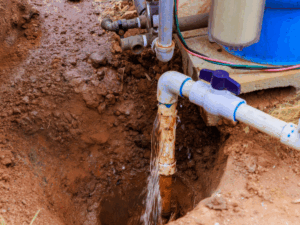 Most pumps give warnings before failure. These signs help homeowners act early.
- Low or inconsistent water pressure during normal use
- Sputtering faucets or air in water lines
- No water or intermittent water loss
- Unusual noises from the pump or water system
- Rising electric bills caused by pump running longer
Ignoring these signs often leads to sudden water loss.
Can a Well Pump Last Longer Than 15 Years?
Yes. Some pumps exceed 15 years under stable conditions. Clean water, proper sizing, and controlled usage all help.
Age still matters. Older pumps carry higher failure risk even when they seem fine. Internal wear continues even when symptoms stay quiet.
Repair vs Replacement for an Aging Well Pump
Repair makes sense when the pump is younger and damage stays isolated. Replacement makes sense when age and repair costs overlap.
An older pump risks sudden failure. Emergency replacement costs more. Planned replacement avoids water loss and system damage. Many homeowners choose replacement once repairs approach half the cost of a new pump.
How to Extend the Life of a Well Pump
Simple steps reduce wear. Regular inspections catch pressure switch problems early. Pressure tank checks prevent short cycling. Sediment control protects internal components.
These steps reduce stress on the pump and stabilize duty cycles. Less stress extends service life.
Do You Need a Professional Well Pump Inspection?
Yes. Symptoms do not always point to the true cause. A pump may run longer due to pressure tank failure, not pump damage.
Inspections test water pressure, electrical draw, and system balance. Preventive service protects the water supply and avoids sudden failure.
FAQ
How long does a submersible well pump last?
Most submersible well pumps last 10 to 15 years. Many last longer due to cooler operation and steady pressure.
How long does a jet well pump last?
Jet pumps often last 8 to 12 years. Higher workload and heat shorten lifespan.
What causes a well pump to fail early?
Sediment damage, electrical issues, and short cycling cause early failure.
Can a well pump fail without warning?
Yes. Internal wear can progress without visible symptoms. Inspections reduce risk.
Is it normal for well pump pressure to drop over time?
Yes. Internal wear reduces efficiency and affects water pressure as pumps age.
Final Answer — How Long Does a Well Pump Last?
Most well pumps last 10 to 15 years. Water quality, usage, pump type, and installation decide where a system falls within that range. Early signs often appear before failure. Acting early protects your water system and avoids emergency replacement.
Call Buddy’s Plumbing Excellence for Well Pump Service
 Buddy’s Plumbing Excellence serves Akron, Ohio and surrounding areas. We start with inspection, not assumptions. We offer honest repair or replacement guidance based on your system’s condition.
Contact us today if you notice pressure problems, pump running issues, or water supply changes. You’ve got a Buddy in plumbing.