Most homes need a 40–50 gallon water heater for 3–4 people, while larger families may need 60–80 gallons. Tankless water heaters are sized by flow rate and temperature rise.
Choosing the correct size matters for comfort, energy use, and the lifespan of the system. This guide covers tank water heaters, tankless water heater sizing, and the factors that affect hot water usage in your home.
Water Heater Size Chart by Household Size
Here’s a quick guide to help you choose a water heater for your home. It is based on how many people live there and how much hot water you usually need.
| Number of People | Tank Capacity (Gallons) |
|---|---|
| 1–2 | 30–40 |
| 2–3 | 40–50 |
| 3–4 | 50–60 |
| 5+ | 60–80 |
Keep in mind, lifestyle habits change demand. A family that does multiple loads of laundry or takes long showers may need a bigger tank capacity.
How to Size a Tank Water Heater
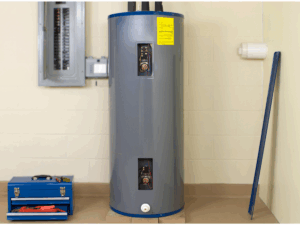 Tank water heaters are measured by storage tank capacity, but the number of gallons alone doesn’t tell the full story. You need to check peak hour demand and match it to the heater’s first hour rating.
Step 1 – Find Your Peak Hour Demand
Peak hour demand is the amount of hot water your household uses during the busiest hour of the day. For example:
- Shower: 20 gallons
- Dishwasher: 6 gallons
- Washing hands: 2 gallons
- Clothes washer: 30 gallons
If a family of four takes showers and runs laundry in the morning, the total gallons of hot water used could exceed 60 gallons.
Step 2 – Match With the First Hour Rating (FHR)
The first hour rating shows how many gallons of hot water the unit can deliver in an hour of peak use. It matters more than tank size alone.
Check the EnergyGuide label on storage water heater models to find this number. Your FHR should meet or slightly exceed your peak hour demand.
How to Size a Tankless Water Heater
Tankless water heater sizing is based on flow rate and temperature rise instead of storage.
Step 1 – Calculate Flow Rate
Add up the gallons per minute (GPM) for the appliances you expect to run at the same time. Example: a shower (2.5 GPM), dishwasher (1.5 GPM), and washing machine (3 GPM) = 7 GPM.
Step 2 – Determine Temperature Rise
Subtract the incoming groundwater temperature from your desired hot water temperature. Example: 55°F ground water to 120°F target = 65°F rise.
Step 3 – Match Tankless Unit Capacity
Select a tankless water heater model that can deliver your total flow rate at the required temperature rise. This ensures a steady amount of hot water during heavy use.
Factors That Affect Water Heater Sizing
 Several conditions influence the correct size for a residential water heater:
- Water quality: hard water shortens the lifespan of tank water heaters.
- Efficiency ratings: high-efficiency natural gas water heaters or electric units can supply more hot water with a smaller tank.
- Household growth or lifestyle changes: new family members or increased laundry use can change hot water usage patterns.
Should You Go Bigger or Smaller?
Undersized water heating leads to cold showers, breakdowns, and poor performance. Oversized storage water heaters waste energy and raise bills.
A good rule of thumb is to select a size water heater that meets your demand with minimal excess capacity.
Professional Sizing and Installation
 Plumbers use advanced calculations to size both storage tank units and tankless water heaters. Professional installation ensures safety, warranty protection, and efficiency. A licensed expert can recommend the right water heater models for your needs.
Choose the Right Size for Your Home
Choosing the right size water heater means balancing the number of people in your home with peak demand, tank size, and efficiency. Whether you need tank water heaters or tankless water heaters, choosing wisely saves money and ensures comfort.
Buddy’s Plumbing offers professional water heater services in Akron, OH and the surrounding areas. We’re “Your Fixed-Right-The-First-Time-Plumbers”, ready to install the right system for your home’s hot water usage.