When to Replace a Water Heater
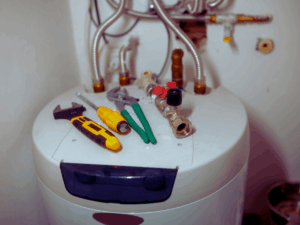 You should replace a water heater every 8–12 years, or sooner if you notice leaks, rust, strange noises, or inconsistent hot water.
Timely replacement matters because it saves money, prevents water damage, and keeps your home efficient. A failing hot water heater tank doesn’t just stop heating water — it can flood your home, ruin flooring, and spike utility bills.
In this guide, you’ll learn how long water heaters last, the common signs of failure, which problems are repairable, and when to call in a professional.
How Long Do Water Heaters Last?
The average water heater lifespan depends on the type of system and how well you maintain it.
- Gas water heater tanks: Usually last 8–12 years. Heat from the gas burner creates more wear, which shortens service life compared to electric models.
- Electric water heater tanks: Often last 10–15 years. Fewer moving parts mean slower deterioration, but corrosion still happens.
- Tankless water heaters: Can last 15–20 years. These systems heat water on demand and avoid the sediment buildup that damages storage tanks.
Water quality plays a major role. Hard water causes mineral deposits inside the tank, reducing efficiency and straining the system.
Installation quality also matters — a poorly installed unit won’t last as long.
7 Signs It’s Time to Replace Your Water Heater
Knowing when to act can mean the difference between a planned replacement and an emergency flood.
1. Your Water Heater Is More Than 8–12 Years Old
Age is the most reliable indicator. If your heater is approaching or past the 10-year mark, replacement is usually the smart choice. Even if it still runs, hidden wear makes failure more likely.
2. Leaks Around the Tank or Connections
Water near the heater is never normal. Small leaks often signal cracks in the tank or failing fittings. Ignoring them risks mold, damaged flooring, and structural issues.
3. Rust or Discolored Water
Rust in your hot water shows that the tank interior is corroding. This problem spreads until the tank gives out completely. Brown or orange water from faucets is a warning sign you can’t ignore.
4. Strange Noises (Popping, Knocking, Cracking)
Sediment buildup at the bottom of the tank hardens over time. When water heats, it makes loud banging or popping sounds. Those noises mean the tank is working harder than it should, wasting energy and wearing down faster.
5. Inconsistent or No Hot Water
If your water doesn’t stay hot, or the heater struggles to keep up with normal demand, the tank may be failing. Heating elements can wear out, but if problems keep returning, replacement is the long-term fix.
6. Rising Energy Bills From Poor Efficiency
Aging water heaters use more energy to produce the same amount of hot water. If your utility bills are creeping up without a clear cause, the heater may be the culprit.
7. Frequent Repairs That Don’t Last
Calling a plumber again and again for the same heater is a sign that repairs aren’t paying off. When costs stack up, a new unit saves money and stress.
Common Problems That Can Be Repaired Instead
Not every issue means your water heater tank is finished. If your unit is still fairly young, a plumber may be able to fix it.
- Pilot light problems can often be relit or adjusted.
- A broken thermostat may only need replacement.
- Faulty heating elements can be swapped out in electric models.
- Replacing a worn anode rod can slow corrosion inside the tank.
If repairs are minor and inexpensive, it makes sense to fix. But if your heater is aging and repairs pile up, replacement is usually smarter.
Maintenance Tips to Extend Water Heater Life
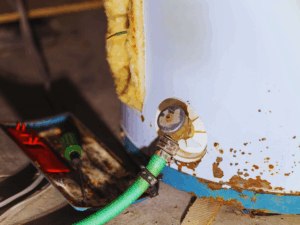 A little care keeps your system working longer.
- Flush the tank every year to clear sediment.
- Inspect and replace the anode rod every three to five years.
- Keep the thermostat around 120°F to reduce stress on the tank.
- Schedule a professional inspection to catch problems early.
These steps improve efficiency and help avoid premature replacement.
Should You Repair or Replace a Water Heater?
A simple rule helps: if repair costs more than 50% of replacement, go with replacement. Modern water heaters, including tankless models, are more efficient and can reduce monthly bills. They also provide consistent hot water and better reliability.
When to Call a Plumber for Water Heater Replacement
Some problems should never be DIY. Gas leaks, pressure relief valve failures, and visible tank cracks are dangerous and require immediate professional service. A licensed plumber can install a new system safely and make sure it’s set up for maximum lifespan.
Reliable Water Heater Services in Akron, OH
 If your water heater is old, leaking, or failing, don’t wait for disaster. Buddy’s Plumbing provides expert hot water heater replacement and installation in Akron and the surrounding areas.
We’re “Your Fixed-Right-The-First-Time-Plumbers”, committed to solving problems before they turn into emergencies. Call today and let us keep your home safe and your showers hot.